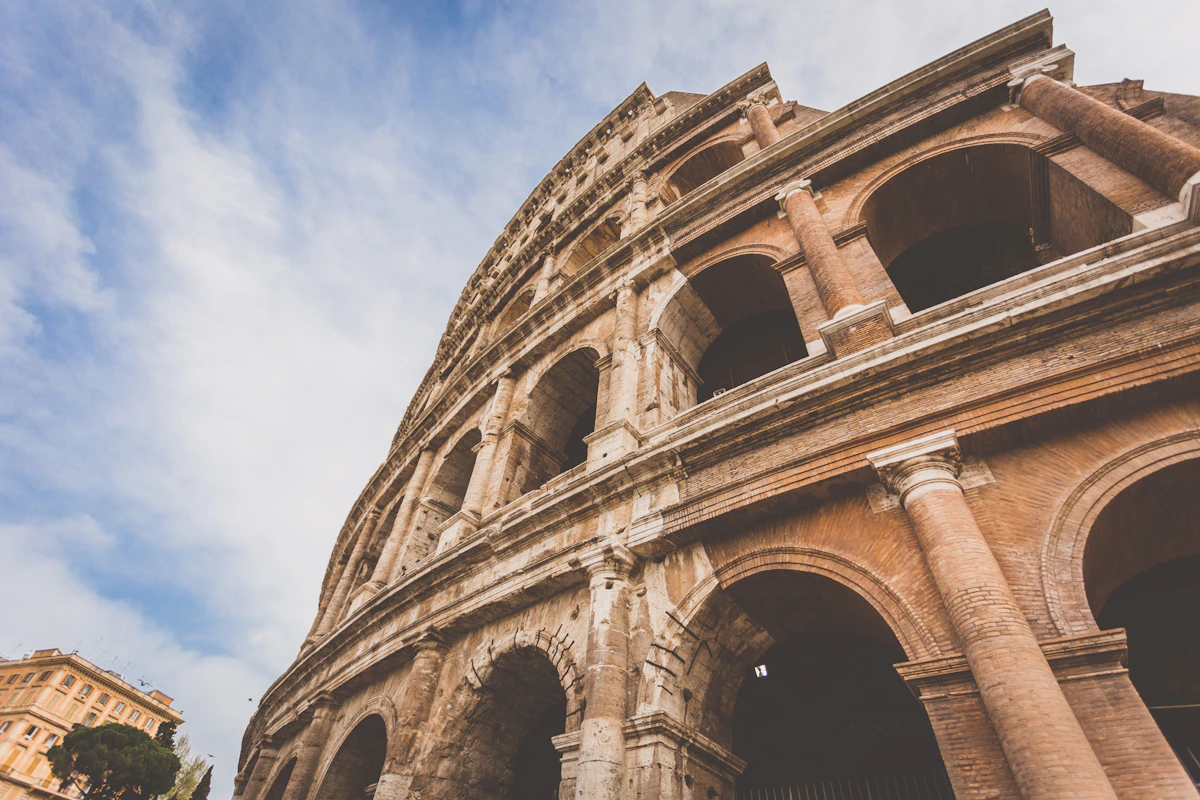
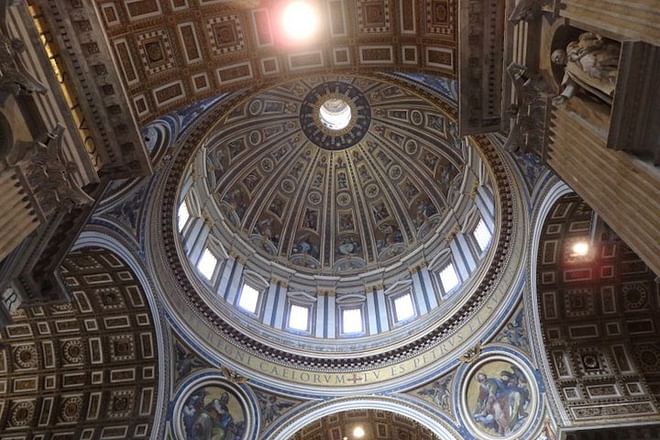
Planning a first-time-in-Rome itinerary can feel overwhelming when so many landmarks seem essential. In one day, you could be standing beneath Michelangelo’s frescoes in Vatican City, walking through the Colosseum, and ending among the fountains and piazzas of the historic center.
The key is not trying to see everything. A well-planned route focuses on Rome’s most meaningful highlights, allows enough time for reserved-entry attractions, and leaves some flexibility for walking, breaks, and unexpected delays.
This guide shows how to organize a first visit around the Vatican, Colosseum, Pantheon, and other central sights without turning the day into a race.
Key Takeaways
- Focus on Rome’s most meaningful landmarks, like the Vatican and Colosseum, rather than trying to see every attraction in a single day.
- Secure reserved-entry tickets for your priority sites well in advance to build a reliable schedule around fixed time slots.
- Consider hiring a private guide to gain deeper historical context and enjoy a personalized, efficient pace that maximizes your visit.
When in Rome: A First-Time Visitor’s Guide
A Rome-in-one-day tour works best when you plan around the parts of your day that have the least flexibility. Before filling your schedule, consider when to start, how you will get around, and which experiences need to be reserved.
How Early Should You Start a Day of Sightseeing in Rome?
Start early enough to make the most of your reserved activities without feeling rushed from the beginning. There is no single ideal starting time, since opening hours and available entry slots can influence your route.
Build some buffer time between reservations as well. Security checks, transportation, and simply finding an entrance can take longer than expected, especially on a first visit.
How Much Walking Should You Expect in Rome?
Expect to spend a considerable part of the day on your feet. Rome rewards walking, but long stretches of sightseeing can become tiring when you combine uneven or cobbled streets with time spent standing inside museums and historical sites.
You do not have to walk every stretch of the itinerary. Public transportation, taxis, or prearranged transfers can help conserve energy between areas, leaving more of it for exploring once you arrive.
What Should You Book Before Your Visit?
Reserve experiences with fixed entrance times first, then arrange the more flexible parts of your day around them. This is especially important because some of Rome’s most popular sites require timed admission, and availability can determine the order of your itinerary.
Guided experiences are also worth arranging in advance if there is a particular date, time, or type of tour you want.
Is a Private Guide Worth It in Rome?
A private guide can be especially useful when you have only one day and want more than a quick look at each stop. Instead of spending time deciding where to go next or trying to interpret everything on your own, you can focus on the experience itself.
Private guiding also allows for a more personalized pace and emphasis. You can spend more time on the history, art, or architecture that interests you and move more quickly through parts that matter less to your group.
Best Rome Highlights First-Time Visitors Should Prioritize
What should first-time visitors prioritize in Rome? For a one-day visit, focus on places that reveal different sides of the city rather than trying to fit every famous landmark into the schedule.
The Vatican
The Vatican Museums are vast, so a first visit is best approached selectively. Highlights include:
- ✓The Sistine Chapel
- ✓Raphael’s Rooms
- ✓The Gallery of Maps
The Vatican Museums’ official directory lists dozens of museums, galleries, chapels, and collections, which is why trying to cover everything in a single morning is unrealistic. A private tour of the Vatican can help you focus on the works and spaces that matter most to you rather than moving through the collection without context.
Inspiration
Colosseum
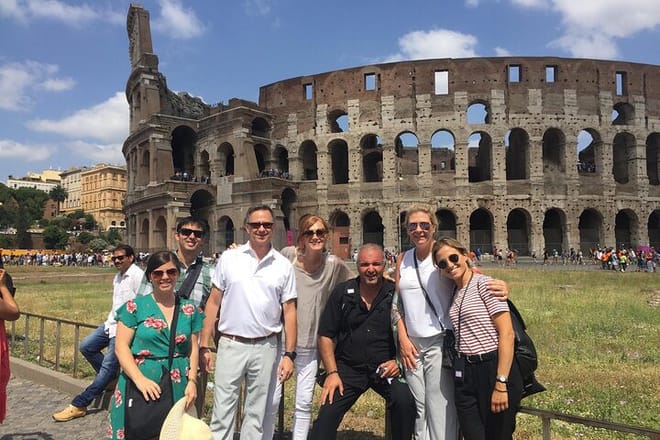
The Colosseum is an essential stop for first-time visitors interested in Ancient Rome. Built under the Flavian emperors in the first century A.D., the amphitheater forms part of the same archaeological area as the Roman Forum and Palatine Hill.
If your schedule allows, a Colosseum private tour can add context about how the amphitheater functioned and help you decide whether to spend additional time in the Forum and Palatine area.
Inspiration
Pantheon
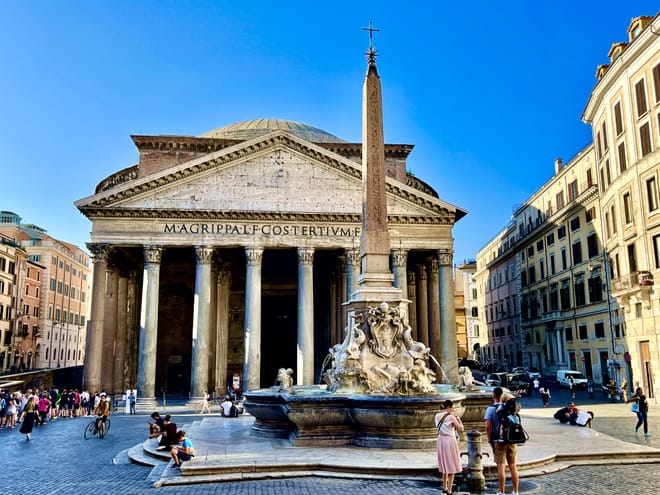
The Pantheon offers a different perspective on Ancient Rome. The current structure was rebuilt during Emperor Hadrian’s reign, and its 43.3-meter dome remains the world’s largest unreinforced dome. The building’s later conversion into a church also helped preserve it remarkably well.
A private Pantheon tour can help explain details that are easy to admire but harder to interpret on your own, from the proportions of the rotunda to the building’s changing purpose across the centuries.
Inspiration
Trevi Fountain
Trevi Fountain earns a place on a first-time itinerary because it adds Baroque Rome without requiring another lengthy museum visit. Designed by Nicola Salvi and built against Palazzo Poli, the fountain marks the terminal point of the ancient Virgo aqueduct and remains one of Rome’s most recognizable landmarks.
It also works well as a flexible historic-center stop. If your reserved visits take longer than expected, you can adjust when you see the fountain without disrupting the timed portions of the day.
Inspiration
A Private Rome Tour Itinerary for One DayWhat is the best order for Rome landmarks? For a first visit, a practical approach is to build the day around your least flexible reservations, then use the historic center for the more adaptable part of the itinerary. The route below works well as a sample, but actual timing should follow your confirmed entry slots and the inclusions of your chosen tour. Morning: Vatican City
Starting at the Vatican gives this major sightseeing area a concentrated block of time while your energy is still high. Afternoon
A private itinerary does not need to become a race between landmarks. The better approach is to protect your fixed reservations, leave room for transfers and breaks, and shorten the final walking portion if the day starts to feel rushed. |
Frequently Asked Questions
Can you visit the Vatican and Colosseum in one day?
Yes. You can visit the Vatican and Colosseum in one day if you reserve your entries in advance and keep the rest of the itinerary selective. Allow enough time for transfers between the two areas, and avoid adding too many museums or archaeological sites around your main visits.
What is the best order for the Vatican and Colosseum?
Starting at the Vatican and visiting the Colosseum later is a practical option, especially if you secure an early Vatican entry. However, there is no single best order. Your confirmed ticket times should take priority, so reversing the route may make more sense depending on availability.
How much time do you need for the Vatican?
Allow around three hours for a highlights-focused visit to the Vatican Museums and Sistine Chapel. You may need more time if you want to explore the collections in greater depth or include St. Peter’s Basilica. For a one-day Rome itinerary, prioritizing a few key areas keeps the visit manageable.
Make Your First Day in Rome Count
A memorable first day in Rome is less about seeing everything and more about choosing the right experiences. Prioritize the Vatican, Colosseum, and a few historic-center highlights, then leave enough room to enjoy them properly.
If you want the day shaped around your interests, pace, and reserved entries, explore Rome private tours for a more personalized way to see the city.