Long queues and packed viewing areas can take time away from you enjoying the places you travel to. Finding the best time to visit Europe’s landmarks requires more than choosing a quieter month. The day of the week, entry time, local holidays, ticket type, and attraction rules can all affect how busy a visit feels.
Early reservations, first-entry time slots, and carefully selected private tours can help you avoid crowds in Europe more effectively. This guide explains how to choose better times for major attractions and plan a more comfortable visit around your group, schedule, and priorities.
Key Takeaways
- Visit during the shoulder season and choose early-morning entry slots to minimize crowds.
- Check official schedules, local events, and specific ticketing terms before booking.
- Private, skip-the-line tours aid navigation but do not eliminate security or wait times.
- Tailor your visit schedule and tour type to your group’s specific needs and priorities.
When Is the Best Time to Visit Europe’s Landmarks?
Shoulder-season weekdays and early reserved entry are generally the strongest starting points.
Shoulder Season
Spring and fall often provide a better balance than midsummer for travelers hoping to avoid crowds in Europe. Walking conditions may be more comfortable, outdoor attractions can feel less congested, and itineraries may be easier to adjust.
Still, shoulder season does not always mean low demand. Later in the year, shorter daylight hours, variable weather, and seasonal changes in opening hours may also limit your options.
First Entry and Early Morning
What time of day are major European landmarks least crowded? The first available entry is generally the most dependable choice because fewer visitors have already moved through the site.
Morning temperatures may also be more comfortable, families often have more energy, and travelers can keep the afternoon open for other activities.
Are early morning tours worth it? They can be when you value a focused start, cooler conditions, and better use of the day, although other visitors, tour groups, and security procedures will still apply.
Late Afternoon and Evening
Later visits can also work well for attractions that offer extended hours. They may also suit travelers who prefer evening light or atmosphere.
Always check final-admission and room-clearance times, not just the published closing hour.
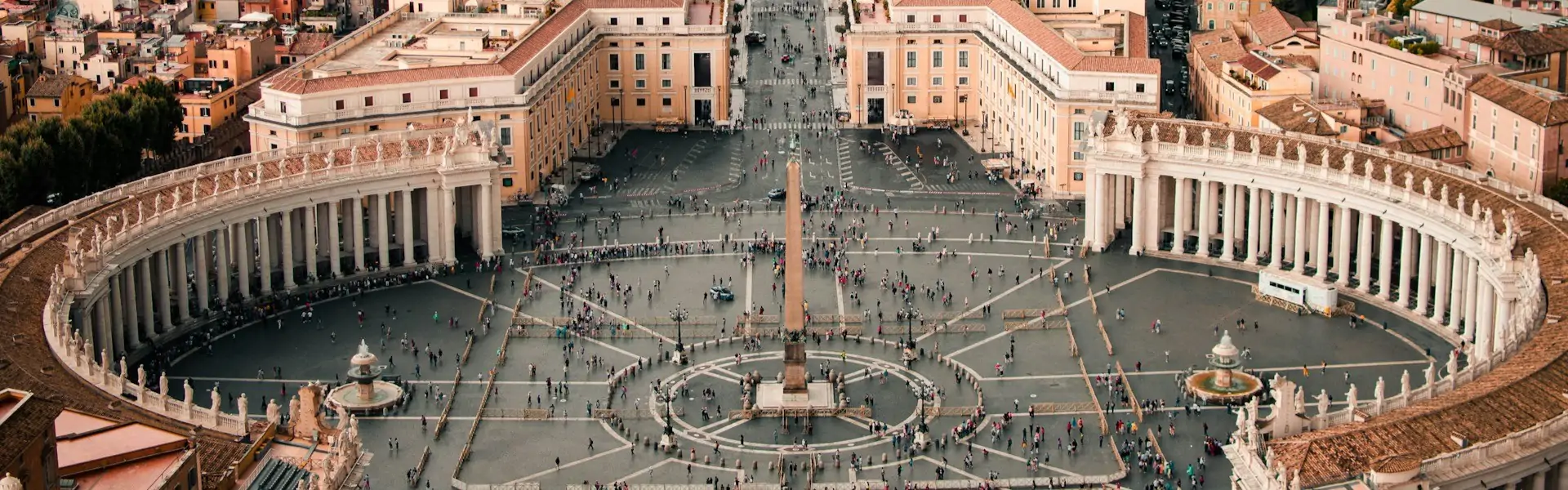
The Louvre, for example, stays open until 9 p.m. on Wednesdays and Fridays, but last entry is one hour before closing, and rooms begin to clear 30 minutes beforehand. The Vatican Museums currently close at 8 p.m., Monday through Saturday, with final entry at 6 p.m. and visitors required to leave the halls 30 minutes before closing.
Best Visit Times to Avoid Crowds in Europe’s Major Landmarks
Crowd patterns vary by major attraction, so the most useful approach is to plan around each landmark’s entry system, opening hours, and busiest visitor periods.
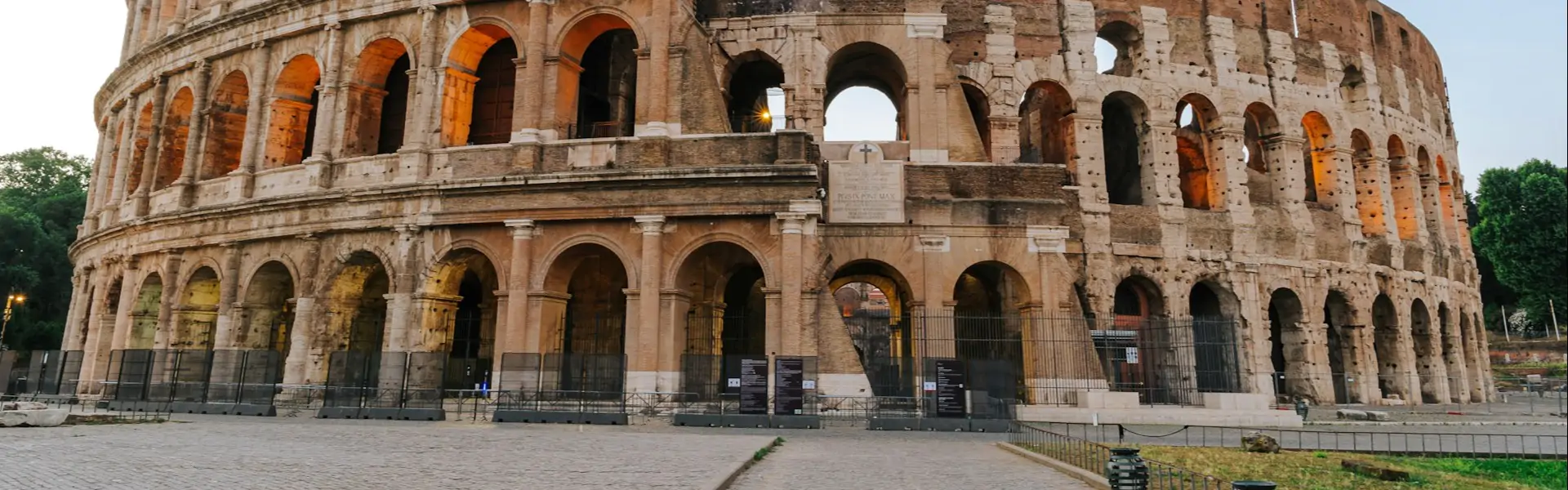
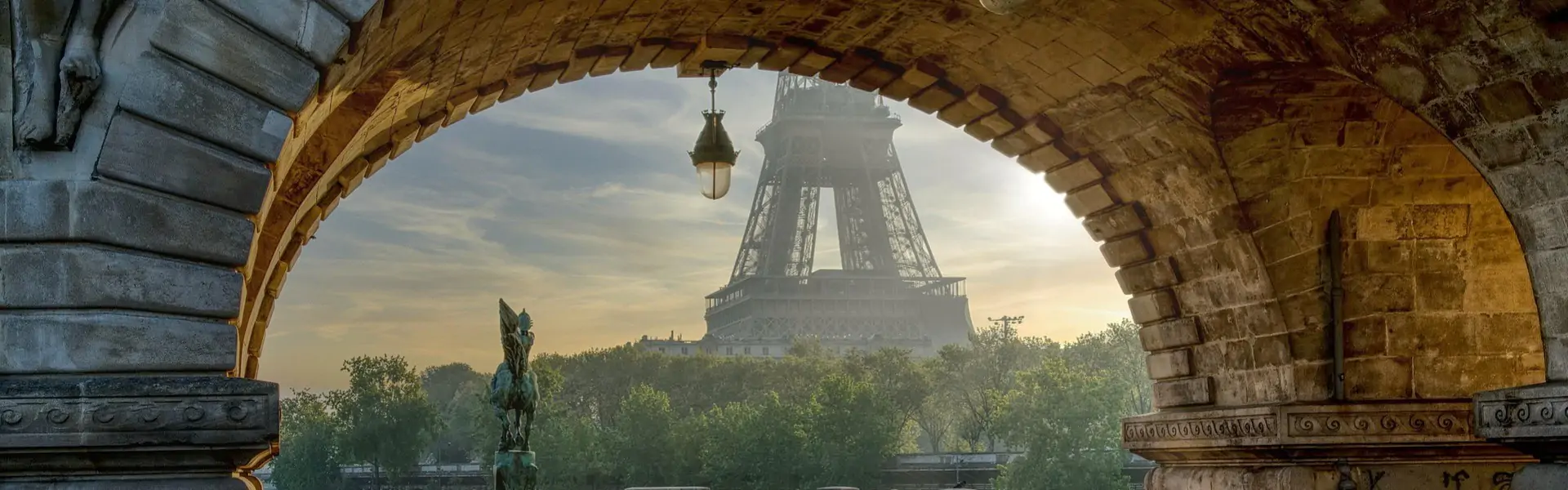
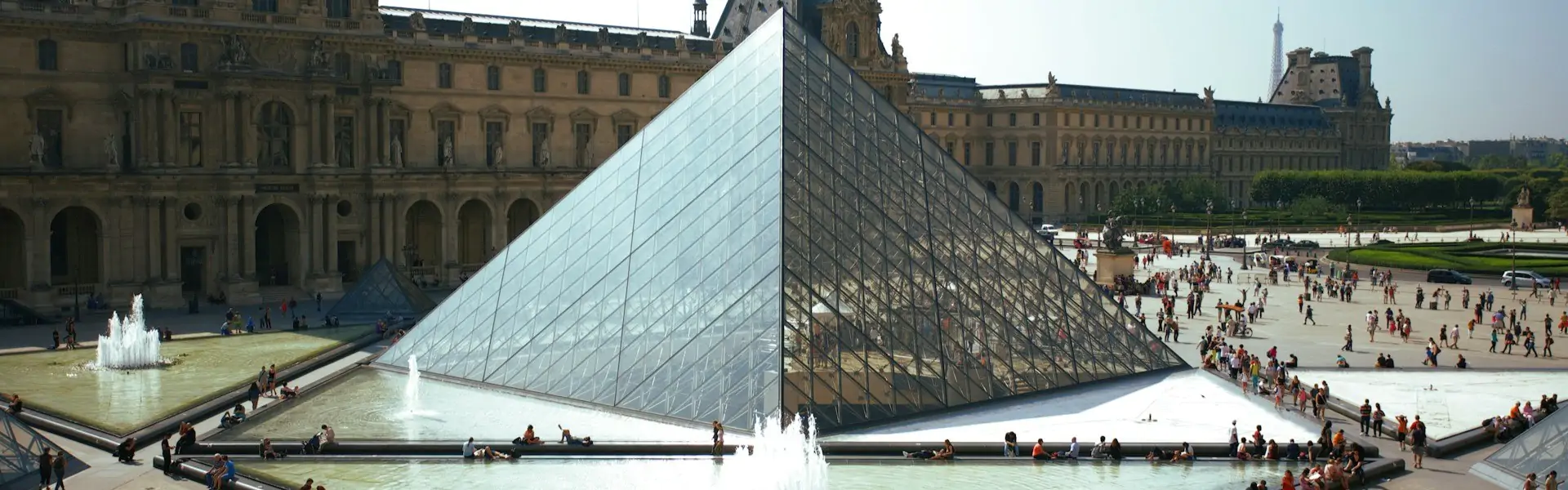
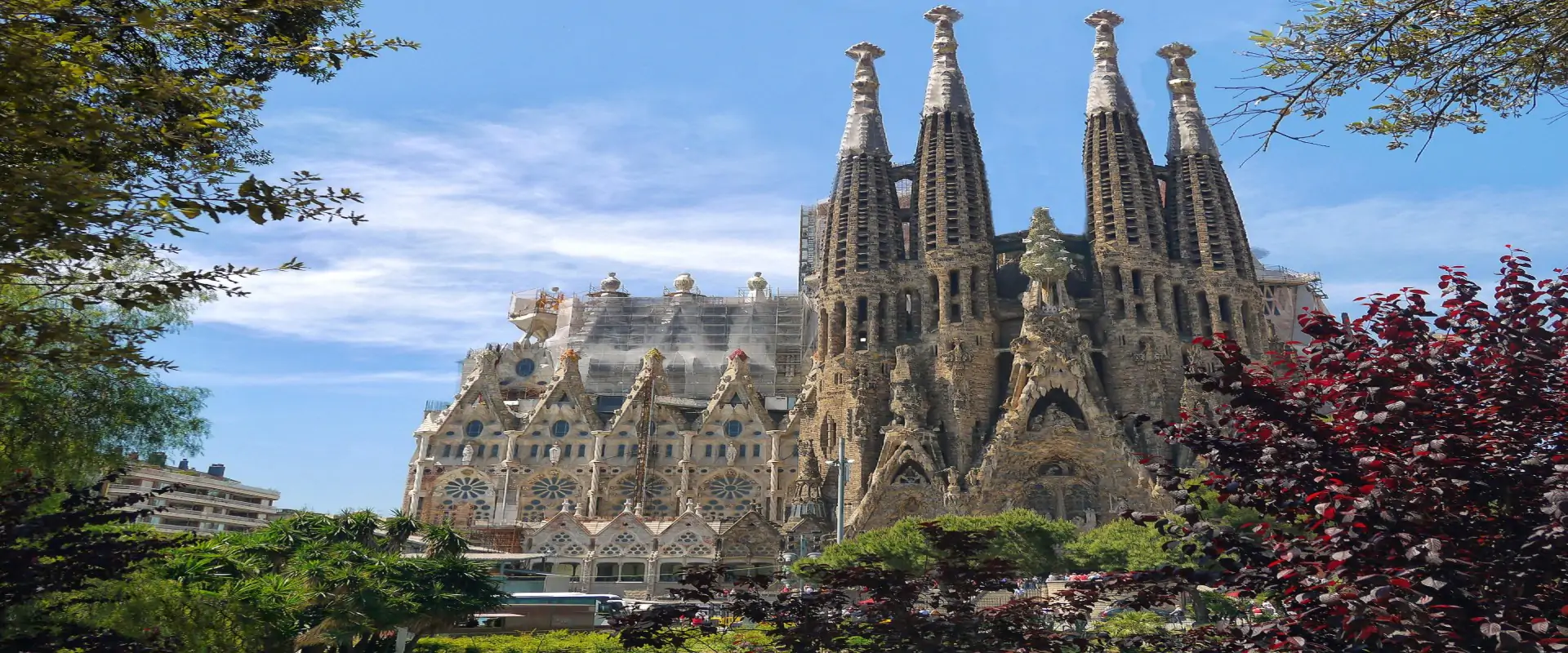
Europe Landmark Tour Tips for a More Enjoyable Visit
A smoother landmark visit also depends on your group’s needs, local events, ticket conditions, and the type of access included.
Decide Based on Your Needs
The ideal schedule depends on who is traveling and what matters most to the group.
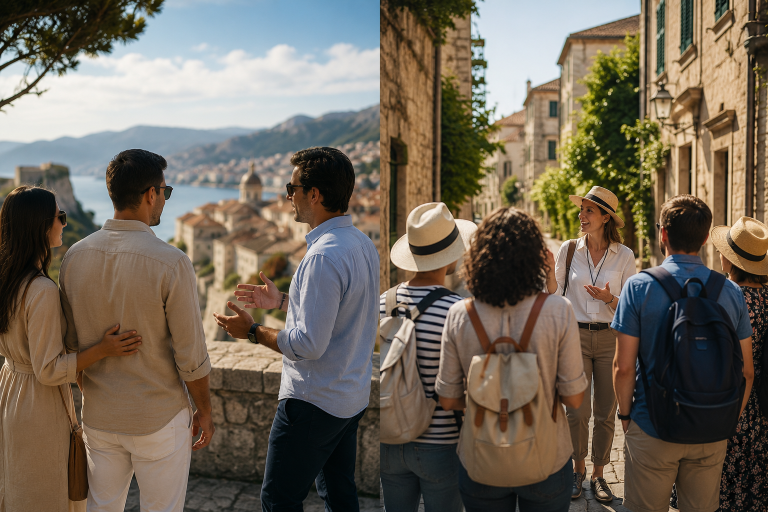
Solo travelers may prefer a social small-group experience, while friends traveling together may value flexible pacing or per-group pricing.
Couples may choose early morning private tours for a quieter, more personal start to the day. Families may need a realistic meeting time and enough flexibility to adjust the pace.
Check Holidays and Events Before Choosing a Month
Broad seasonal advice can be useful, but local calendars provide a more accurate picture. Religious observances can affect Rome and Vatican City, while national holidays, school vacations, festivals, major exhibitions, and free-entry dates may change normal visitor patterns.
Check official attraction schedules and local event calendars before confirming major bookings.
Consider Skip-the-Line Private Tours
Do skip-the-line private tours eliminate waiting? No. They may reduce wait times in ticket or admission queues, but security checks, identity checks, capacity limits, and operational delays may still apply.
Review the tour description carefully to see what the advertised skip-the-line access covers. Private guidance may also help with navigation, pacing, and understanding the site, but the private format does not automatically provide a separate entrance.
Understand Timed Entry, Priority Access, and Fast-Track Admission
Access terms are not interchangeable, so confirm what each tour or ticket includes:
- Timed entry reserves admission for a stated period.
- Reserved entry means admission is booked in advance rather than purchased on arrival.
- Priority or fast-track access uses an expedited process that the attraction offers.
- A private tour provides an exclusive guide for your booking party but not necessarily a separate entrance.
- Exclusive or before-hours access is a special arrangement that must be stated clearly in the tour details.
At the Eiffel Tower, advance tickets can reduce time spent at the ticket office, but all visitors must still complete security checks. Access arrangements may also vary by ticket or tour.
At the Louvre, the Mona Lisa First Access private tour shows why the exact product description matters: it combines a private guide with a route that begins with the Mona Lisa rather than making a broad promise of queue-free entry.
Frequently Asked Questions
Is off-season travel better for private tours?
Off-season travel may offer more scheduling options and lower overall visitor pressure. However, shorter opening hours, seasonal closures, limited evening access, and unpredictable weather can affect the experience. Check current attraction schedules before choosing travel dates based only on expected crowd levels.
Which landmarks need skip-the-line access?
Reserved or priority access can be especially useful at high-demand landmarks such as the Vatican Museums, Colosseum, Eiffel Tower, the Louvre, and Sagrada Família. These options can reduce time spent in certain admission lines, but visitors may still need to complete security checks and other required entry procedures.
How can families avoid peak crowds?
Families can choose the earliest realistically available reserved entry, focus on one major attraction per morning, and leave extra time around the scheduled admission. A family-friendly private tour may also provide a more manageable pace, age-appropriate guidance, and greater flexibility for rest breaks or changing needs.
Experience Europe at a Better Pace
The best way to avoid crowds in Europe is to combine thoughtful timing with the right ticket or tour format. Choose entry times that suit your group, confirm the access details, and leave room for security and schedule changes.
Explore My Private Tours to find private landmark experiences designed around a more comfortable, well-paced visit.